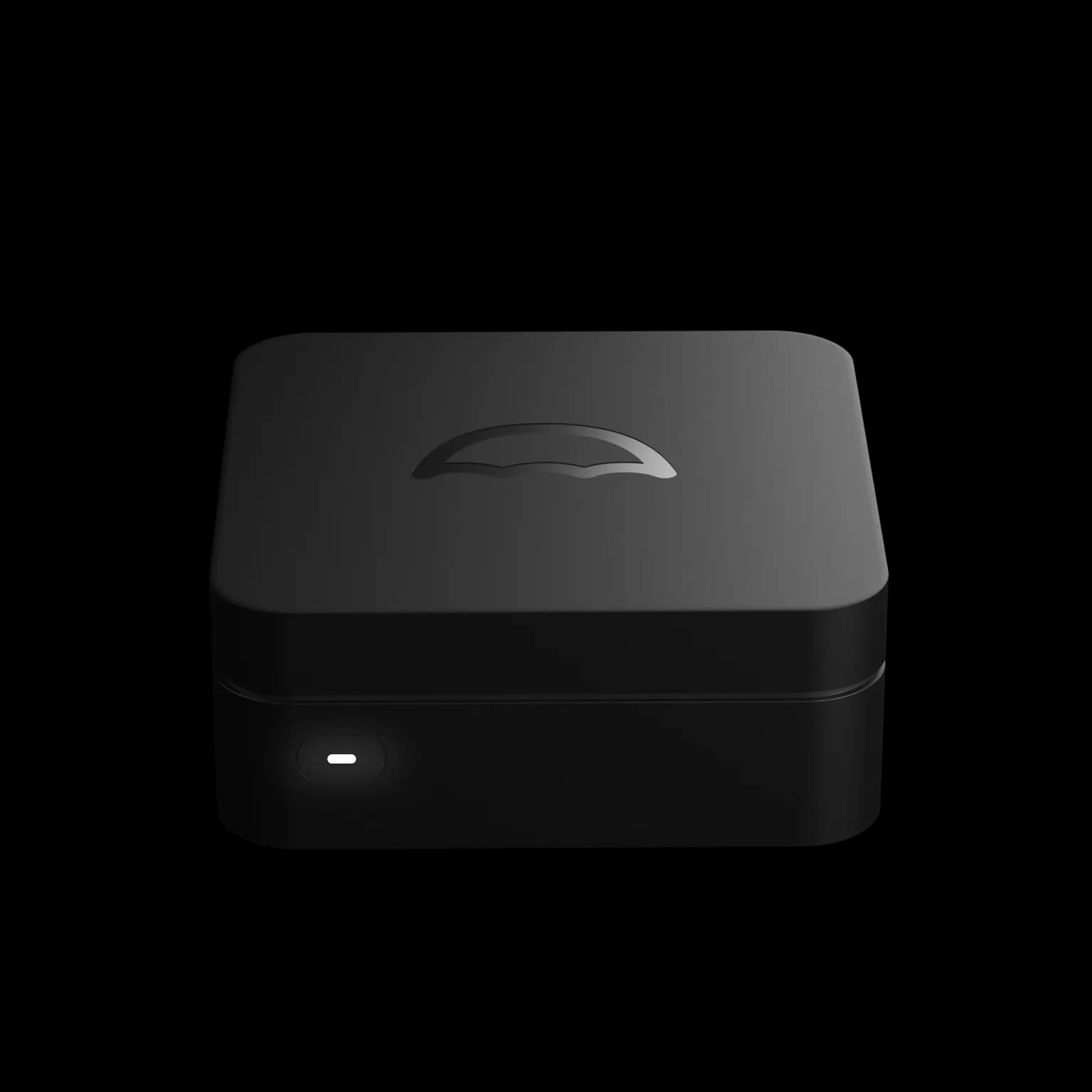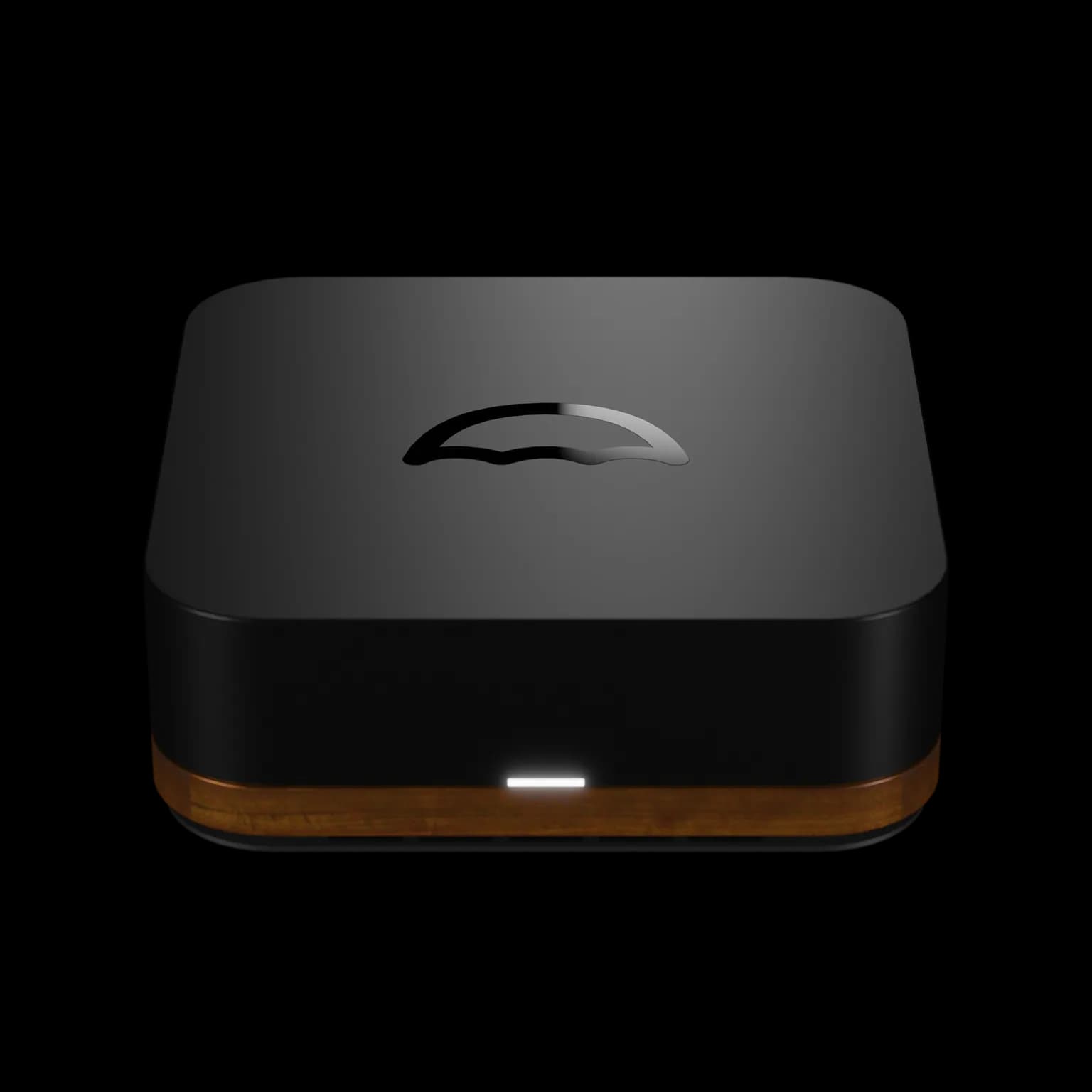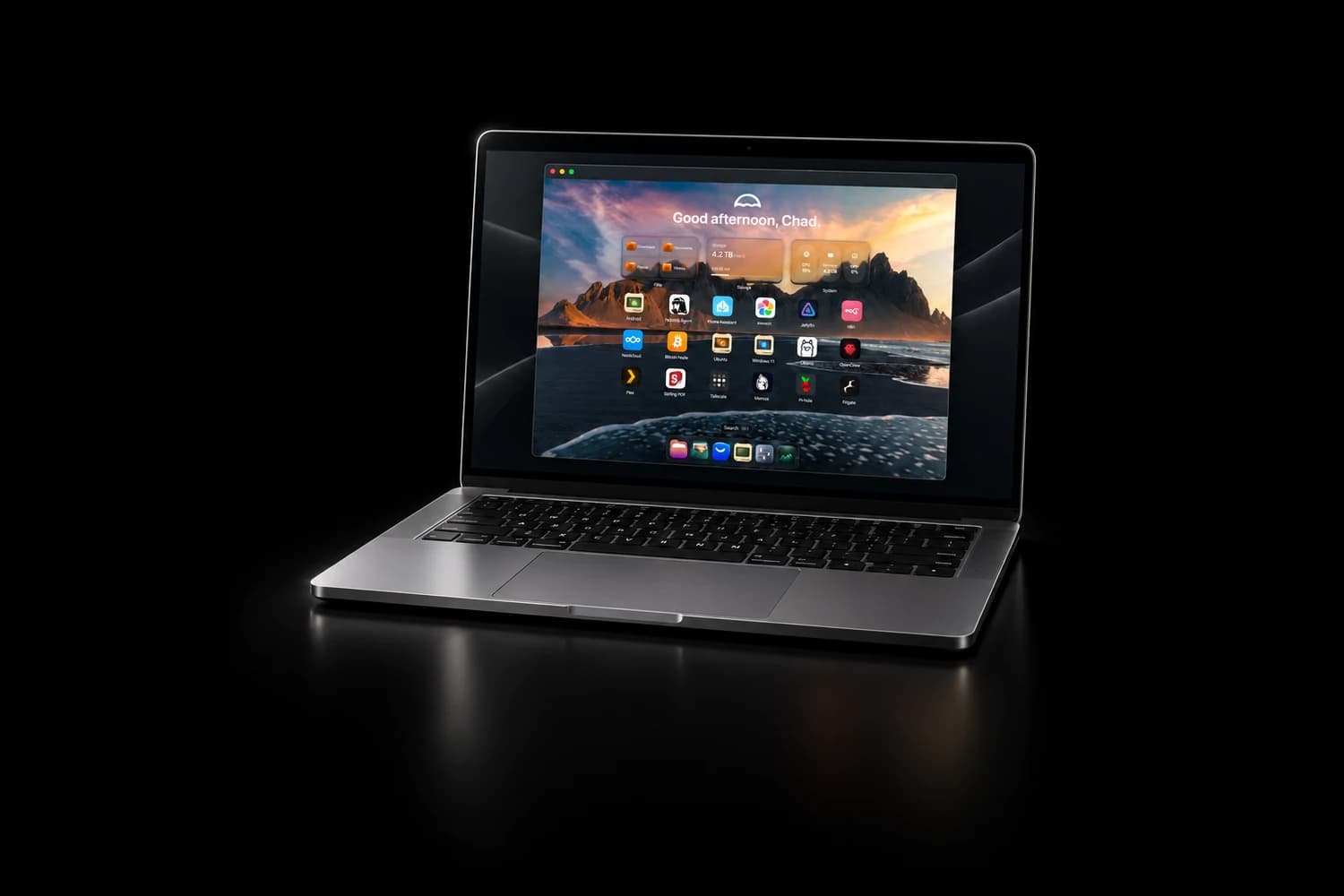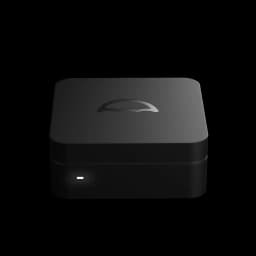
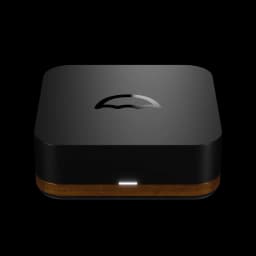

Your hardware. Your cloud.
umbrelOS 2.0 runs free and complete on the machine you already own. Flash it, boot it, open umbrel.local. Your personal cloud, in minutes.

Free for personal use. umbrelOS is released under the PolyForm Noncommercial License, so running it at home costs nothing. Building a product on umbrelOS? For OEM licensing and partnerships, we'd love to hear from you at partner@umbrel.com.
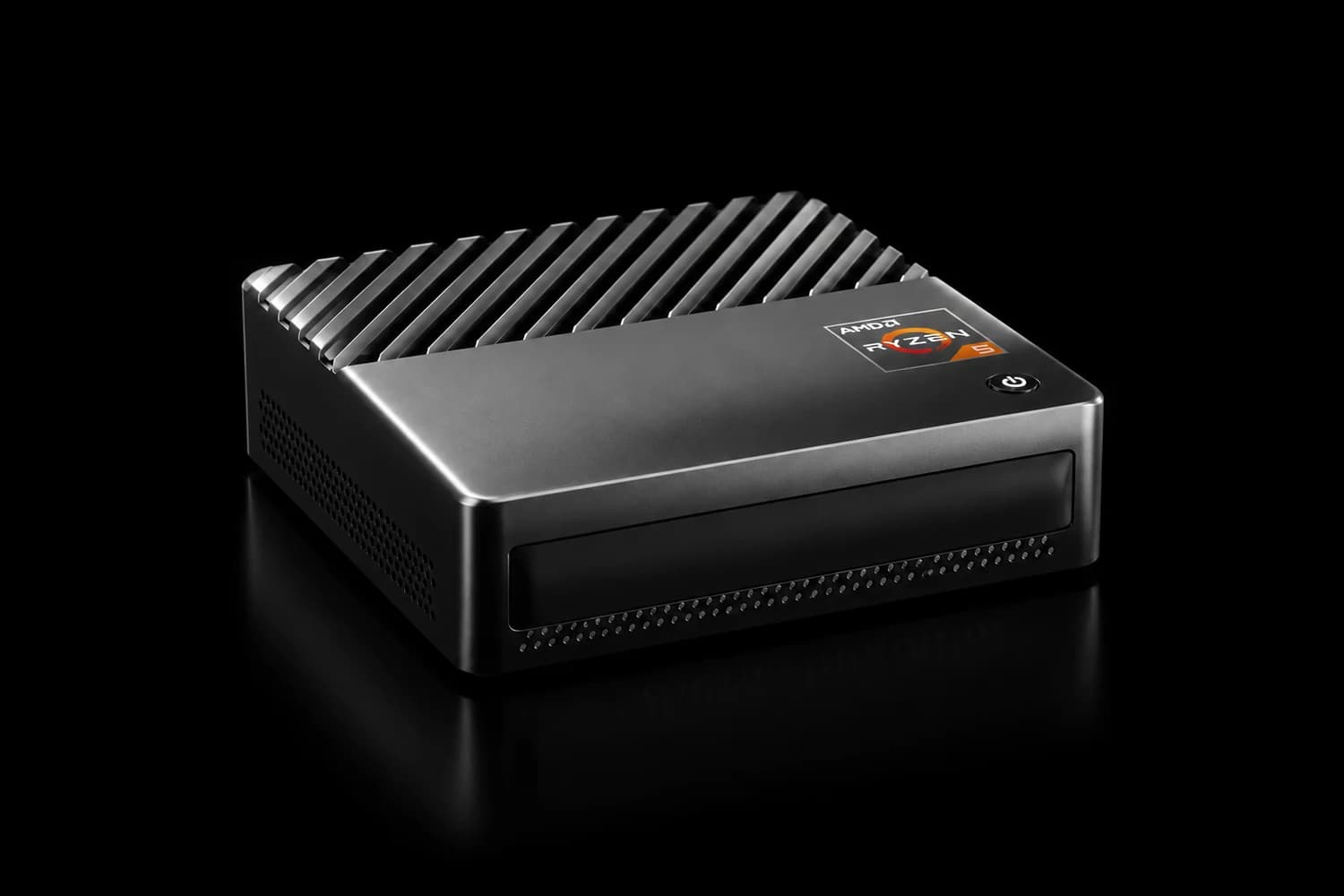
Intel & AMD
Most 64-bit machines: mini PCs, old laptops, desktops, NAS boxes, servers. umbrelOS boots from one drive and keeps your apps and files on the rest.
Where umbrelOS lives
Download umbrelOS image
1.5 GB
1.2 GB
- Processor
- 64-bit Intel or AMD, dual-core or better
- Memory
- 4 GB, 8 GB or more recommended
- Storage
- A 32 GB drive for umbrelOS, plus your drives for apps and files
Flash
- 1Download the umbrelOS image.
- 2Flash it to a USB drive of 32 GB or more with Balena Etcher. A USB SSD is ideal, and a good-quality USB stick works too. The drive gets erased.
Boot
- 3Plug the drive into your machine, connect an ethernet cable to your router, and power on.
- 4If it starts from an internal drive instead, make USB the first boot option in your BIOS and leave it that way. umbrelOS boots from this drive every time.
- 5Give it about five minutes, then open
umbrel.localin your browser. If your machine has internal drives, umbrelOS asks how you want to use them.
Good to know
- Leave the USB drive plugged in. It's where umbrelOS lives. Your apps and files live on your internal drives.
- Storage Manager and FailSafe appear once you have two or more internal drives.
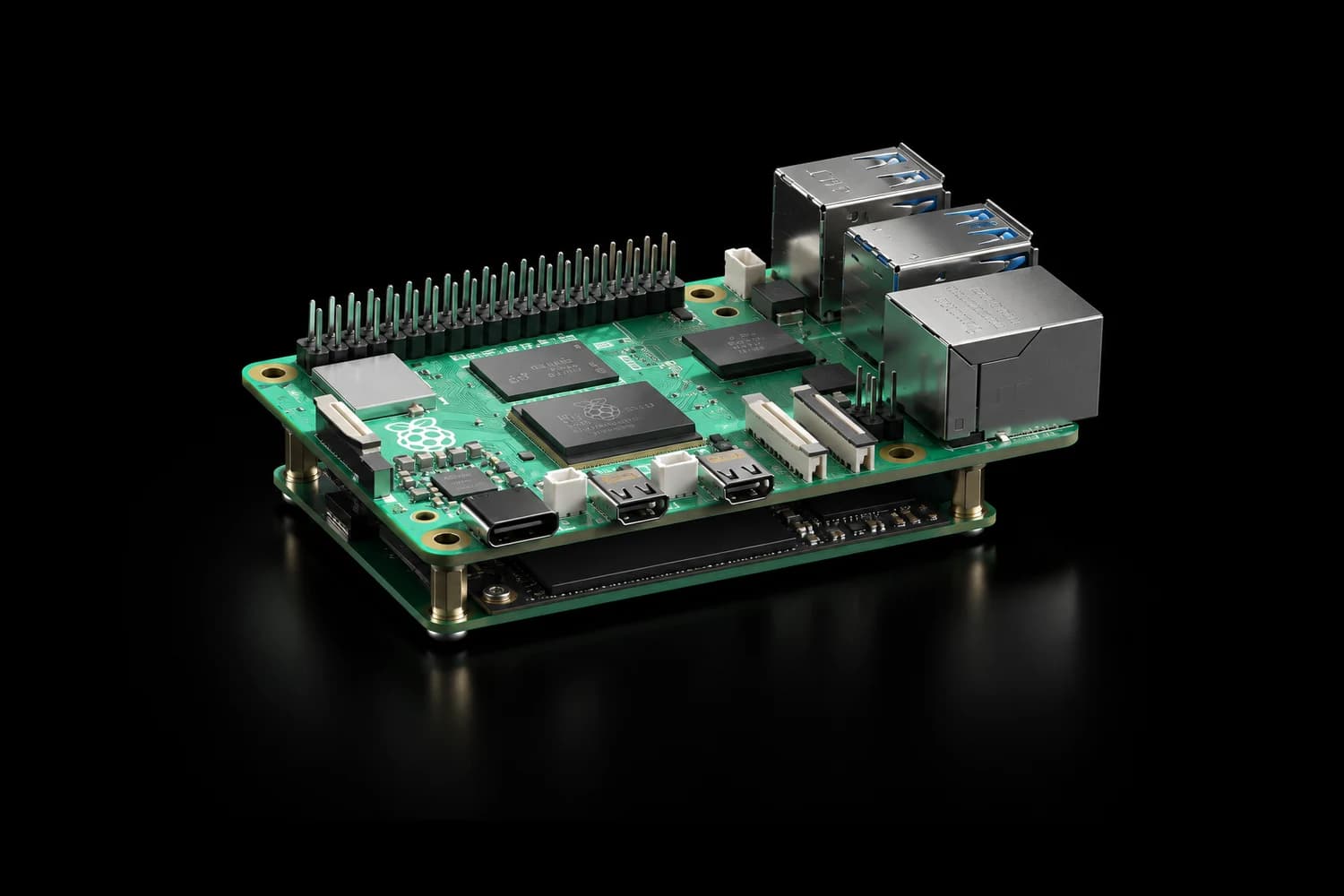
Raspberry Pi
Raspberry Pi 5 is the one to get. Pi 4 works too. Either way, boot from an NVMe or USB drive rather than a microSD card.
Download for Raspberry Pi
- Board
- Raspberry Pi 5 or Pi 4
- Boot drive
- NVMe with a compatible HAT, or a USB drive
- Power
- Official Raspberry Pi power supply
- Network
- Ethernet cable to your router
Flash
- 1Download the Raspberry Pi image.
- 2Connect your NVMe or USB drive to your computer. NVMe drives need a USB adapter.
- 3Flash the image with Balena Etcher or Raspberry Pi Imager, then eject the drive.
Boot
- 4Attach the drive to your Pi and remove any microSD card, or the Pi may boot from that instead.
- 5Connect ethernet, then the official power supply. The Pi starts as soon as it has power.
- 6Give it a few minutes, then open
umbrel.localin your browser.
Good to know
- umbrelOS runs from the drive you flashed and keeps your apps and files on it. Storage Manager and FailSafe aren't available on the Pi.
- Early Pi 5 boards may need a bootloader update before they boot from NVMe.
- NVMe support varies by HAT. Check compatibility before you buy.
- microSD works, but cards wear out fast. We don't recommend it.
Virtual machine
Try umbrelOS on the computer in front of you. Any hypervisor that boots EFI works.
Download ISO
1.8 GB
1.8 GB
- Memory
- 4 GB, 8 GB or more recommended
- Storage
- 32 GB virtual disk
- Firmware
- EFI, not legacy BIOS
- Network
- Bridged adapter
Create
- 1Download the ISO.
- 2Create a VM with at least 4 GB of memory and a 32 GB virtual disk.
- 3Attach the ISO to the virtual CD drive and set the firmware to EFI. Legacy BIOS won't boot the installer.
Install
- 4Start the VM, pick the virtual disk in the installer, and confirm.
- 5When it finishes, shut the VM down and detach the ISO.
Boot
- 6Start the VM again.
- 7Give it about five minutes, then open
umbrel.localin your browser.
Good to know
- Use a bridged network adapter so the VM gets its own address and
umbrel.localresolves from your computer. - The VM console shows a terminal login. That's for terminal access only. Use the browser.
Stuck? Ask the community forum or hop into Discord.
Questions, answered.
What's new
The biggest umbrelOS update yet.
Accounts for the whole household, entire operating systems in a browser tab, AI agents over MCP, automatic photo backup, a rebuilt App Store, and more.


Already running umbrelOS?
Skip the download.
Updates arrive over the air, and umbrelOS never installs one without asking. When one is ready, a notification appears on your home screen. Or check right now:
- 1Open Settings and scroll to the bottom.
- 2Click Check for update.
- 3Click Install. Your Umbrel restarts on the new version, and rolls back on its own if anything goes wrong.
Want it before everyone else? Join the beta program.

The Umbrel appNEW
Your cloud, in your pocket.
The Umbrel app for iPhone and Mac connects to your Umbrel over your local network, and automatically over Tailscale when you're away from home.

- Photos back themselves up
- Every photo and video from your camera roll lands on your Umbrel automatically. No subscription.
- Your files, along for the ride
- Browse, open, and share anything on your Umbrel from your phone or Mac.